




























Classic puzzle games: the 8×8 board was already a puzzle in 1958
Block Crush deals three pieces at a time onto an 8×8 board, and none of them can be turned. That board has a history. In 1958 Dana Scott set a computer to cover it with the twelve five-square pentominoes, leaving a 2×2 hole in the middle, and it found 65 solutions. His program chose every piece. You do not, which is why an empty 3×3 corner can save a game.
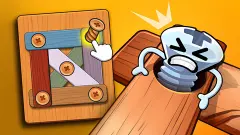
Wood Block Journey adds one rule and changes everything: its 9×9 grid is split into sudoku boxes, and a box clears the moment you fill it. The corner, where block games usually go to die, becomes a target. Sand Blocks goes the other way. Each piece collapses into coloured grains when it lands, and it only clears when one colour joins the left wall to the right.
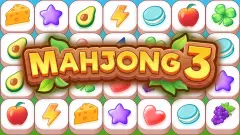
Mahjong Alchemy is the tile-matching kind, and it hides its difficulty well. Every board can be cleared when it appears. But the same picture often turns up on four cards, and matching the two convenient ones can bury the other two for good. Which pair you take is the whole game.
Family puzzle games with no clock
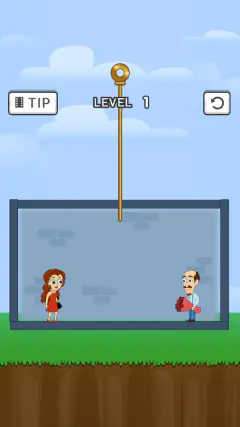
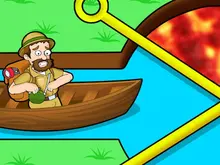
The best puzzles for playing together are the ones that wait. In Pull Mermaid Out each pin is a door, and a door you open is open for everyone: the mermaid swims the moment she has a route, and so do the sharks. Twenty levels, one tap per decision, and nothing moves until somebody chooses which pin goes first.
Word games belong here too. Our word games include Word Blossom, which builds separate levels for English, Spanish, French, Italian, German and Portuguese rather than translating one list.
Puzzle and arcade games: the ones with a clock
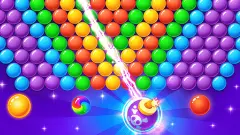
Some puzzles are races. Vegetables Match 3 pays nothing for lines at all; the only points arrive at the end, 20 for every second left on a five-minute clock. That turns a relaxed swap-three game into a sprint across 36 levels.
Puzzle platformer games, where the puzzle is the floor
Pixel Path walks a pixel stick figure through ten levels where spikes and saws spring out of nowhere. It sounds unfair, and the first time it is. The rule the genre learned from its 2007 ancestors is that a trap must stay exactly where it was, so the first death teaches you the level and the second attempt is a timing test.
If you want more of one shape, the block puzzle games collection keeps only the grid-and-pieces kind.