
Snake Games
Get longer, avoid yourself. Fifty years of the same idea and it still works.
36 games · hand-picked, then filled from the catalogue
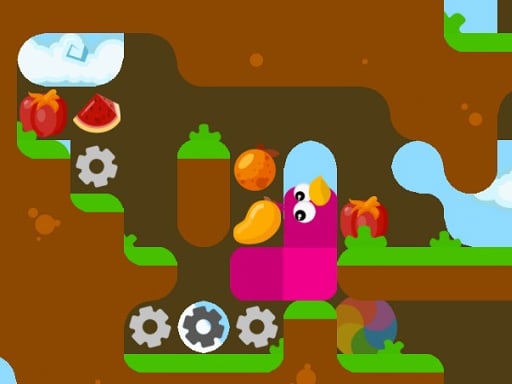
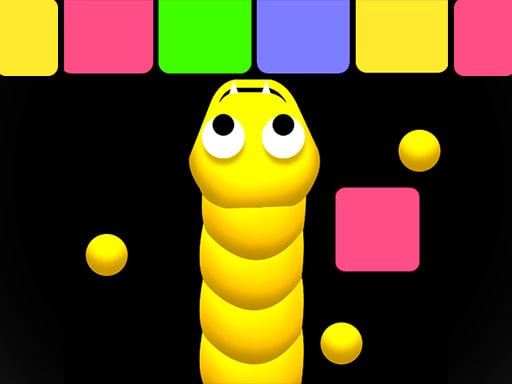
Snake is one of the oldest ideas in video games and one of the very few that never needed updating: you get longer, and the thing you have to avoid is yourself.
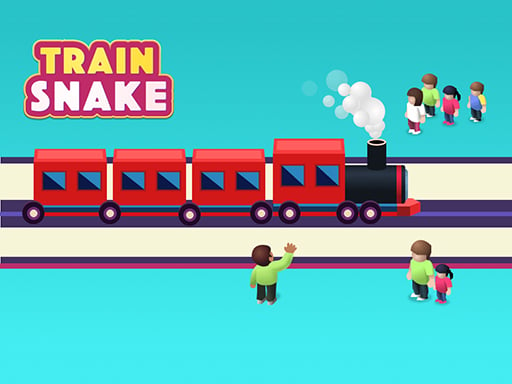


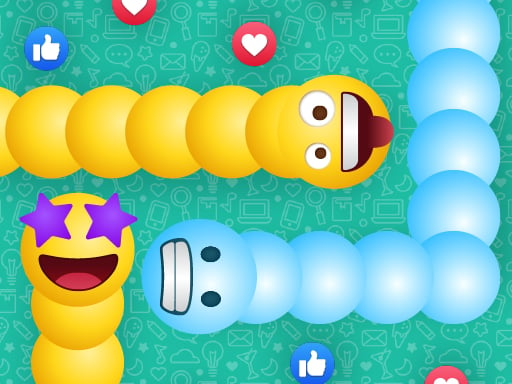
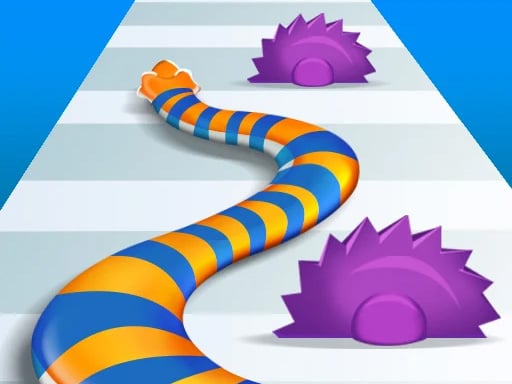
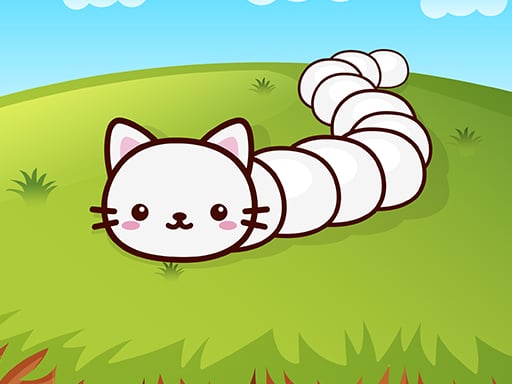




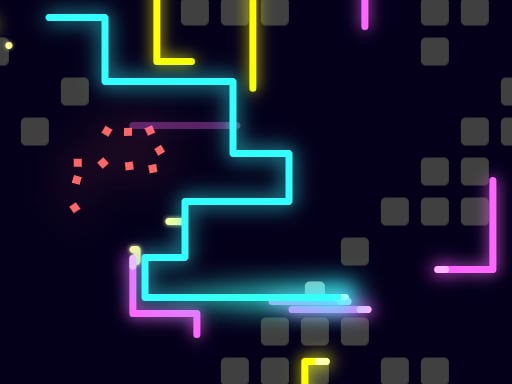
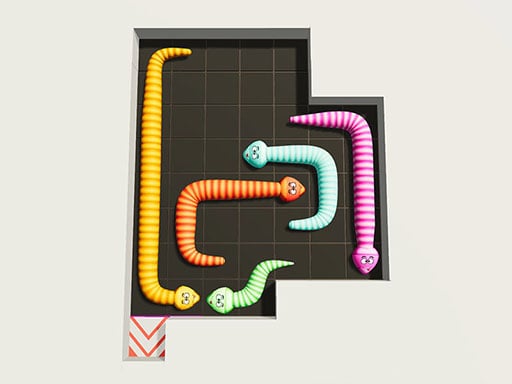
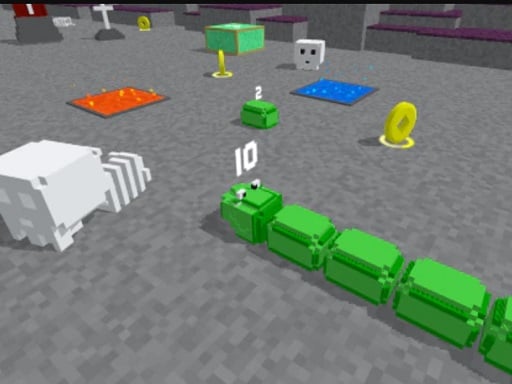



How this list is put together
That second half is what makes it last. In most games the danger comes from somewhere else — an enemy, a timer, a gap in the floor. In snake the danger is entirely made of your own past decisions, and it accumulates. Every point you score makes the board harder in a way you caused. There is no difficulty setting because the difficulty is you.
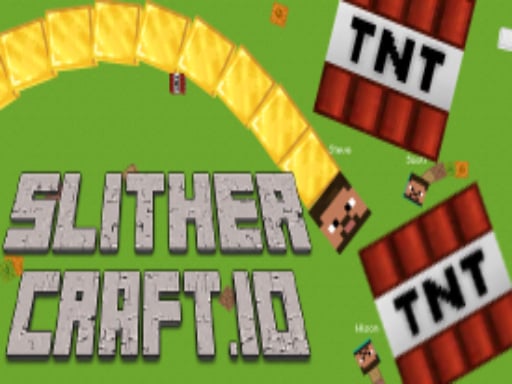
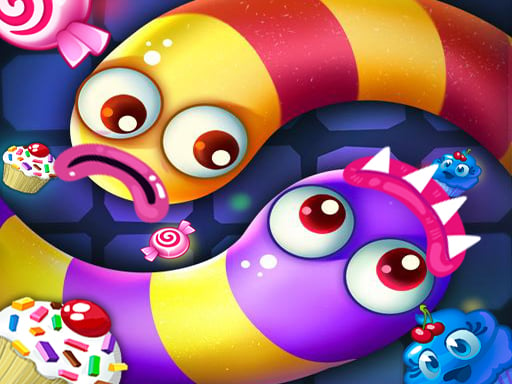
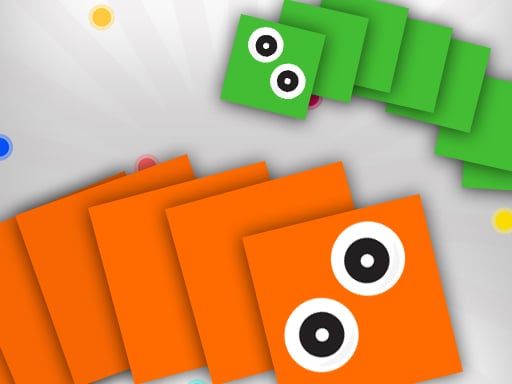
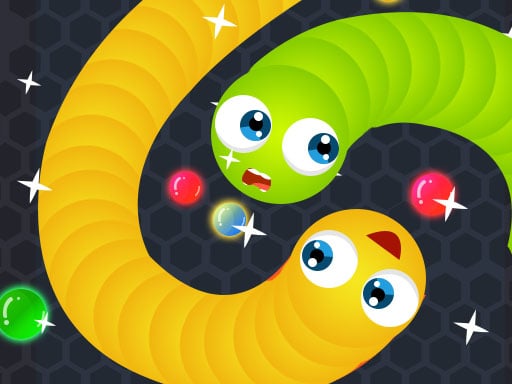
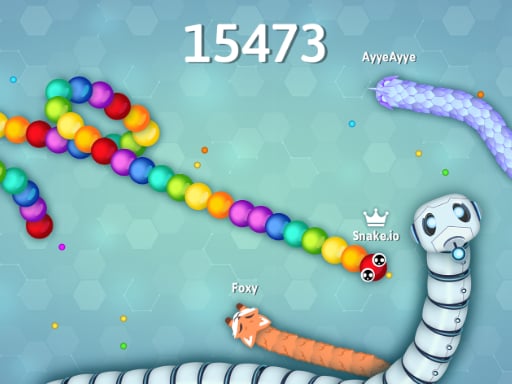
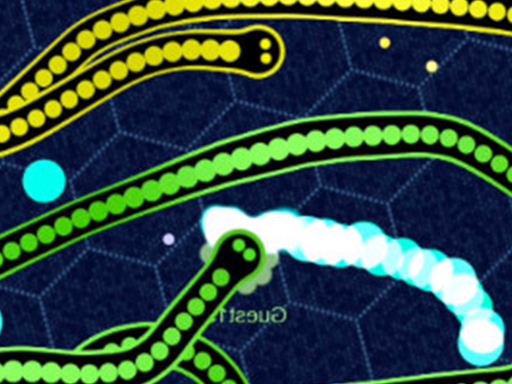
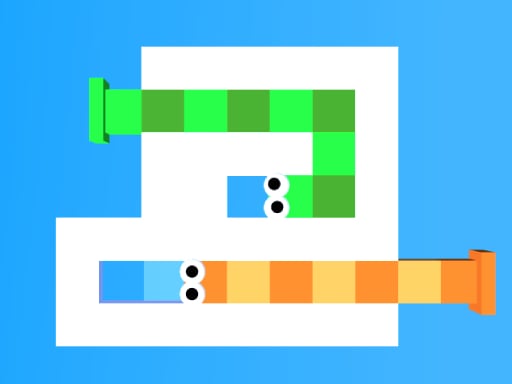
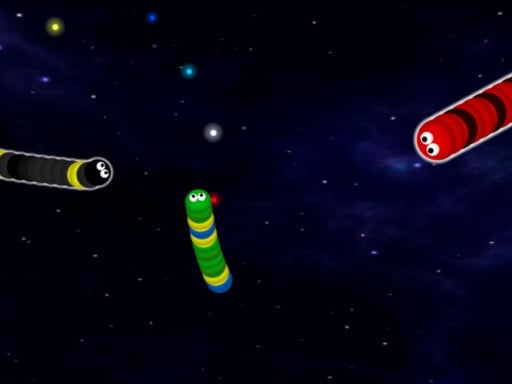
The format split into two families. The classic one is a single player on a grid, speeding up until a wrong turn ends it — a game about spatial planning, where good players are the ones leaving themselves an exit three moves ahead. The .io family took the same rule into a shared arena: hundreds of players at once, no accounts, and dying because somebody deliberately cut in front of you rather than because you made a mistake. Both are here.
Worth knowing if you like the trivia: the Nokia phone version everybody remembers was not the original. Blockade, an arcade cabinet from 1976, was doing this before most people playing it today were born.
Questions people ask
What is the difference between classic snake and the .io kind?
Classic snake is a single player on a grid, getting faster and dying to their own tail. The .io kind puts hundreds of players in one open arena where you die by touching anyone else's body — and where cutting someone off is a deliberate move rather than an accident.
Do I need an account for the multiplayer ones?
No. They drop you into a live arena with a name you can change and nothing else. That lack of friction is the reason the format took over.
Are these the same game that was on old Nokia phones?
The idea is, but that version was not the first either — the arcade game Blockade got there in 1976, two decades before it reached a phone. What the phone did was put it in a few hundred million pockets.