

































How this list is put together
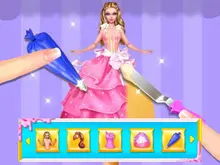
That is not our filing. It is how the games reach us, from the studios and the distributor, and it is worth pausing on: a game about feeding somebody and putting them to bed has nothing in its mechanics that belongs to one sex. The verbs are pour, wipe, dress, rock. Somebody decided a long time ago which shelf that goes on, and the whole industry has been copying the decision ever since.
We keep the tag, because taking it off would hide the page from the people who search that way. We are just not going to pretend it means something.
What these games actually are
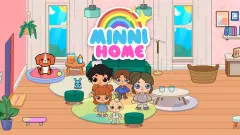
Care simulations, and the genre is older than video games — it is a doll's house with a clock in it. A list of needs appears; you clear them; another list appears. There is no score in most of them and no way to lose, which puts them in the same family as colouring and dress-up: games that end when you decide they end.
The clock is what makes them games rather than toys. Four things want attention and one of them is crying, so the question stops being what do I do and becomes in what order. That is a real mechanic, and it is the same one that runs every restaurant game ever made.
They remember you, and that is the whole trick
Most of the games on this page save your progress in your own browser.
In most genres that is a convenience. Here it is the design. A game about looking after somebody across days only works if the somebody is still there when you come back — the child has grown, the room is as you left it, the thing you started is still half done. Take the memory away and a care game becomes a series of unrelated chores.
Worth knowing what that memory is: it lives in your browser and nowhere else. Clear your browsing data and the baby starts again from scratch. Nothing about these saves reaches us, and nothing follows you to another device.
Before you hand over the tablet
Two honest notes, because this is the page where they matter most.
The advertising is not ours and we cannot see it. Across these games we measured a median of three advertising requests in the first twelve seconds. The games are served from their studios' own frames, they show what their own arrangements tell them to show, and no curation on our side reaches inside that frame.
This page is filtered, not reviewed. We have kept out horror, weapons and blood, but nobody has sat down and played them all. If you want the list where each game was opened and looked at by a person, that is the collection for younger children — games chosen by hand, and the page explains exactly what «looked at» does and does not mean.