
Mahjong Games
The tile-matching game is not mahjong. It was invented on a university computer in Illinois in 1981.
36 games · hand-picked, then filled from the catalogue
Français ›Português ›Español ›Italiano ›
The game almost everybody calls mahjong was invented in 1981 by an American student on a university mainframe, and it is not mahjong.

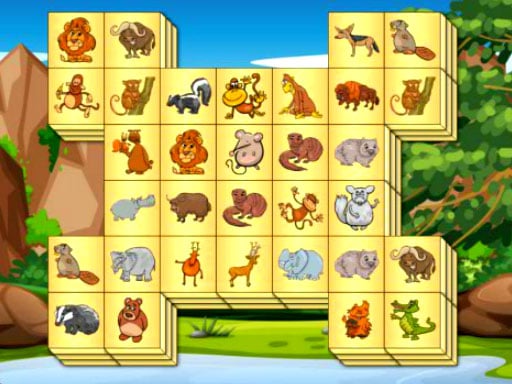
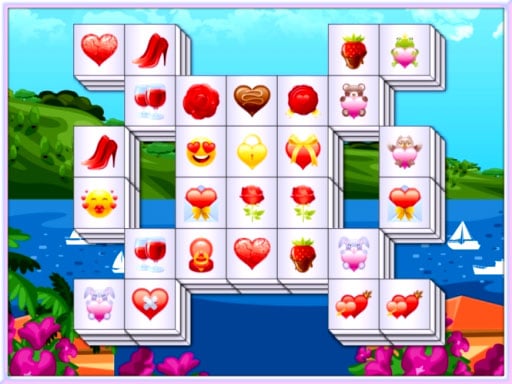
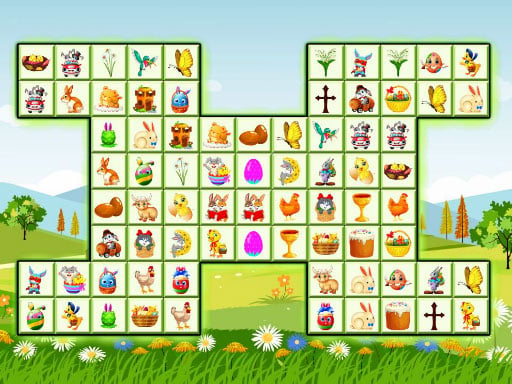
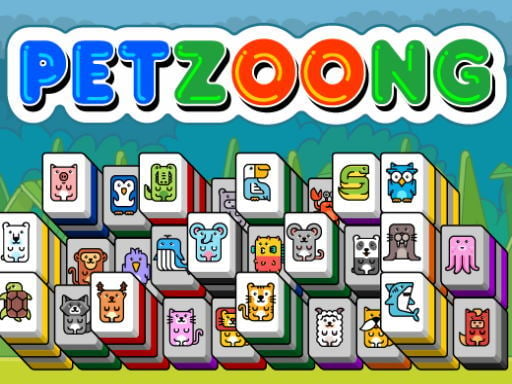
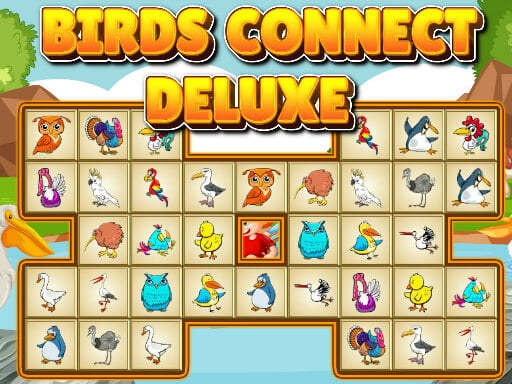
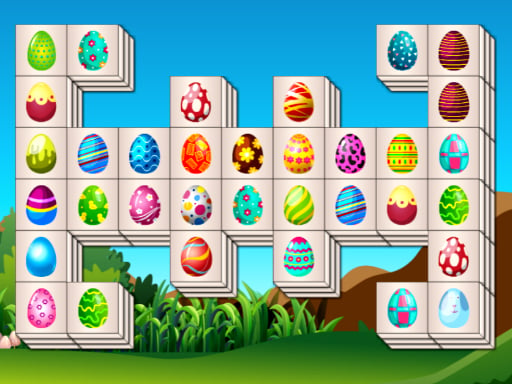



How this list is put together
Brodie Lockard built it on the PLATO system at the University of Illinois and called it Mah-Jongg solitaire. It borrowed the tiles — the bamboos, the characters, the dragons, the flowers — from a four-player Chinese gambling game that dates to the nineteenth century, and it borrowed nothing else. The real game is about drawing, discarding and reading three opponents. This one is one person, a pile, and a single rule.
Microsoft shipped it as Shanghai to millions of office computers in the 1980s, and the name stuck to the wrong game for ever.
The one rule, and why it is the whole game
A tile can be taken when nothing rests on top of it and either its left or its right edge is clear.
That is all. There is no scoring subtlety, no hand to build, no bluff. What makes it a game is that every pair you remove changes which tiles are free — so the skill is never in spotting a match, which is trivial, but in choosing which of the available matches to take. Clear the wrong pair and you bury the one you needed.
Players who lose repeatedly are almost always matching greedily: taking the first pair they see. The habit that fixes it is looking for pairs where three or four of the same tile are exposed, because taking two of those cannot strand the others.
The thing nobody admits: some deals cannot be won
Worth knowing before you blame yourself.
The classic turtle layout has 144 tiles, and a naive shuffle can produce an arrangement with no solution at all — a position where the last four tiles are stacked so that no legal pair ever becomes available. It is a known property of the game, not a bug in one build.
Good versions deal from a guaranteed-solvable generator or give you a reshuffle. Cheap ones shuffle the tiles and hope. If you have played a layout perfectly and ended with four tiles and no move, you may genuinely have been handed a dead deal.
What is here
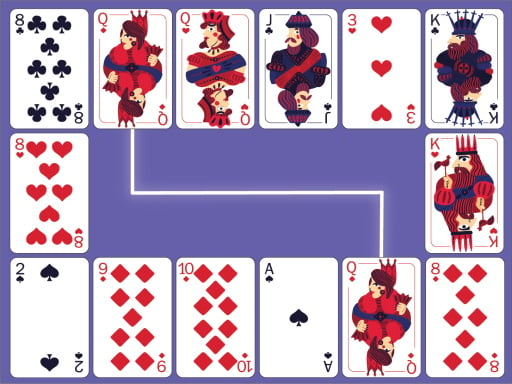
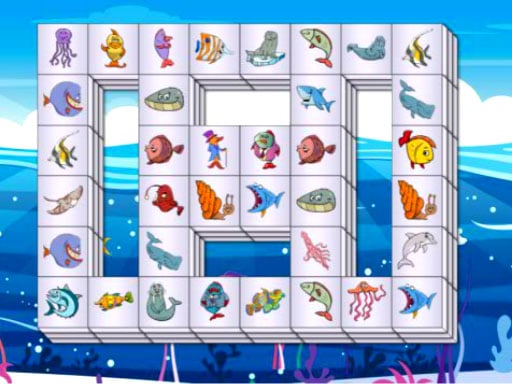
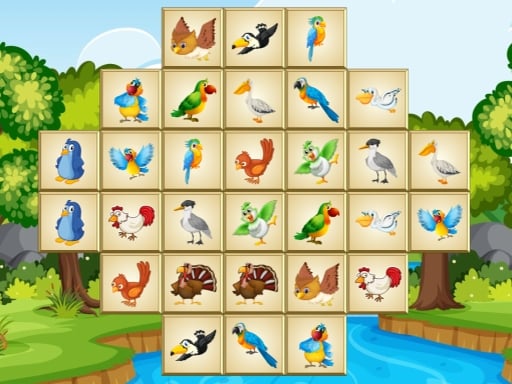
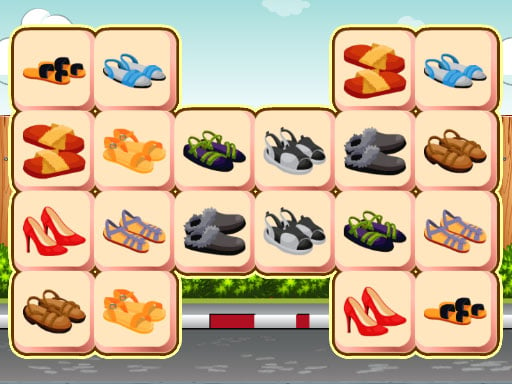
Eighty-two games in this catalogue carry the mahjong tag, and they are not all the same shape. Classic solitaire is the turtle and its relatives. Connect — sometimes called Shisen-Sho — is a different puzzle entirely: tiles are laid flat and a pair can be joined if a path with at most two turns runs between them. Butterfly and seasonal layouts are the classic rules with the pile rearranged. And triple matching asks for three tiles instead of two, which sounds like a small change and is not: it roughly triples how far ahead you have to look.
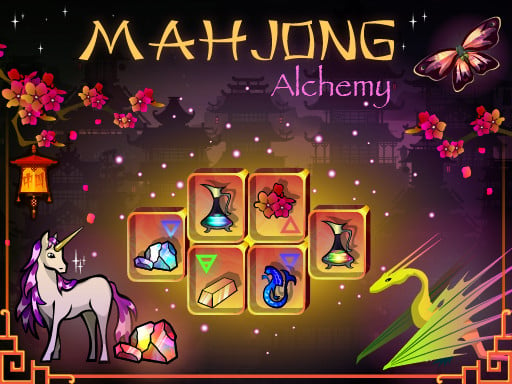
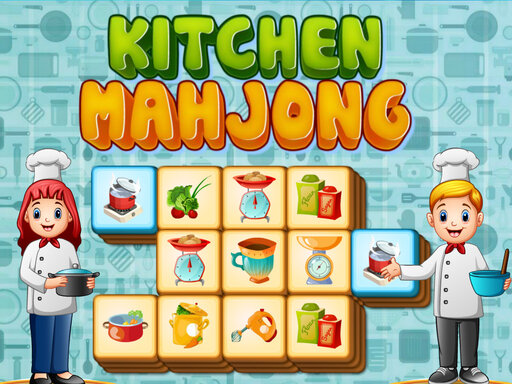
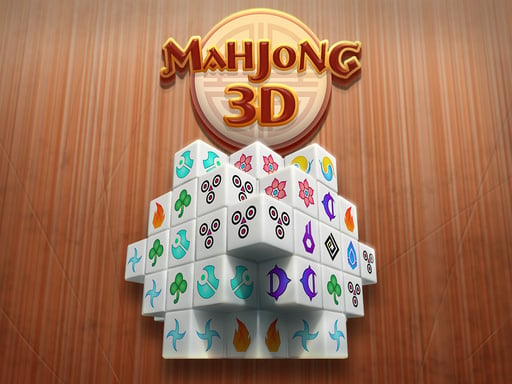
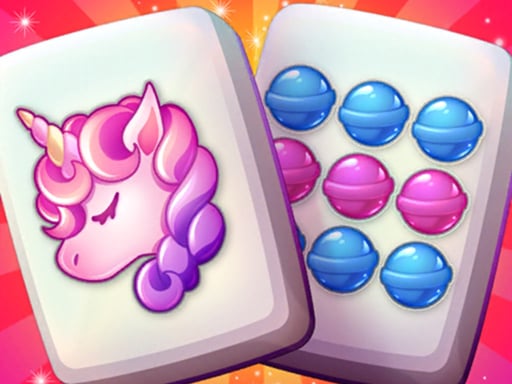
The four at the top are one of each, so you can find out in a minute which of the four you actually like.
Questions people ask
Is this the real mahjong?
No, and almost nothing online is. Mahjong proper is a four-player game from nineteenth-century China, played for stakes, where you draw and discard tiles to build a hand. What everyone calls mahjong on a computer is a one-player tile-matching puzzle built on a pile of the same tiles — a different game with a borrowed alphabet.
Why do some tiles refuse to be picked?
A tile is only free when nothing sits on top of it and at least one of its left or right edges is open. That is the whole rule and it is the whole game: every pair you take changes which tiles are free, so the order matters far more than the matching does.
Can every layout be finished?
Not necessarily, and this is the part nobody says out loud. A shuffled classic layout can be dealt into a state with no solution at all. Better versions guarantee a solvable deal or offer a reshuffle; if you are stuck with four tiles and no legal pair, it may not have been your fault.
Do they work on a phone?
Some do, and we mark which. The tiles are the problem: a 144-tile classic layout on a phone means very small targets, so the versions that work on touch are usually the smaller layouts or the ones that let you zoom.