
















How this list is put together
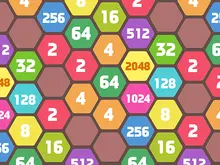
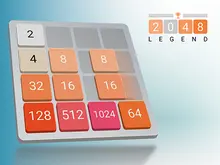
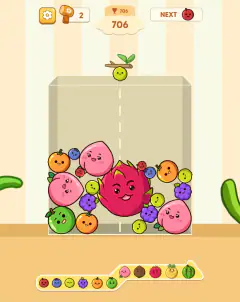
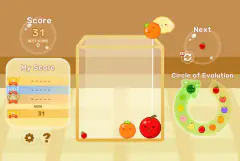
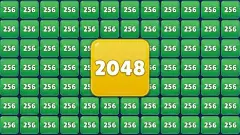
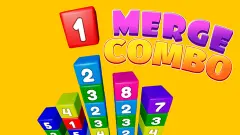
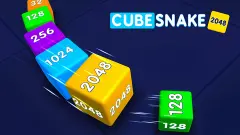
Merge boards. 2048 and its descendants, where you swipe a grid and equal tiles combine. The numbers are decoration: the game would work identically with animals that grow up or colours that darken. What you are actually playing is a spatial puzzle about not filling the board.
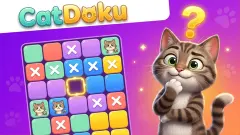
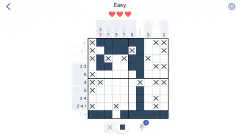
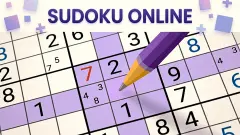
Logic grids. Sudoku and its family. The digits one to nine are placeholders, and you can prove it — replace them with nine colours and the puzzle is unchanged. No arithmetic is ever performed in a sudoku.
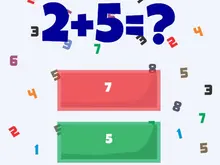
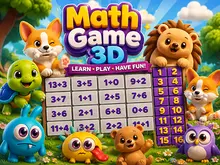
Arithmetic. Actual sums, against a clock, with a wrong answer ending the run. This is the smallest group by a distance, and it is the only one that does what a parent searching for a number game usually has in mind.
We have kept all three on this page, because separating them would hide two thirds of what people come for. But the cards tell you which is which, and the first two are not maths practice however they are marketed.
They are the lightest thing we host
The games on this page have a median download of 2.2 MB, against 7.8 MB across the catalogue. Widen it to every game carrying the maths tag — a hundred and fifty-six of them — and the median is 3.0 MB, which is lighter than any other theme of that size we have measured. Space games, which have a page of their own arguing they are the light end, sit at 5.4.
The reason is that a grid of numbers has no art to carry. No character, no tileset, no soundtrack beyond a click. It makes this the most reliable page on the site for an old laptop or a school connection — and, incidentally, the genre least likely to burn through a data allowance.
What a three-second timer is actually doing
Several of the arithmetic games here run on a countdown of about three seconds a question. That is not an arbitrary difficulty setting. Below roughly that mark you cannot reliably count on your fingers or work the sum out in steps; you either know that 7 + 8 is 15 or you guess. The clock is there to force recall rather than calculation, which is exactly what a times-table drill is for and exactly why it feels unfair at first.
If you want the logic half without the arithmetic, the sudoku and logic games are the dedicated shelf. For the merge half, the block puzzle games are next door.