












How this list is put together
Three ways a game gets difficult
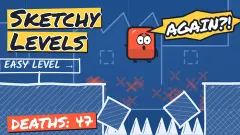
Traps you only see once. Sketchy Levels is drawn on notebook paper and counts 200 levels. The first sign reads EASY LEVEL; when you die, it changes to EASY-ISH LEVEL, a red tally in the margin adds a stroke, and a blue bird laughs at you. The floor gives way before the flag, and the next time round red circles mark the spot. We did not beat level 1, and we kept pressing restart anyway.
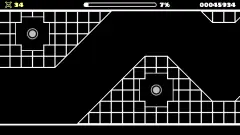
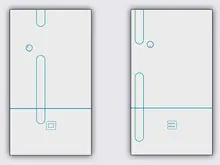
One button, no mercy. In Geometry Arrow you hold to climb and let go to dive, always at 45 degrees, through a black-and-white cave. The floor and the ceiling are safe; the spikes are not. A progress bar shows how far you got in per cent, and ours never passed 4 %. Restarting takes one click, which is exactly why it is hard to stop. The sequel, Geometry Arrow 2, has 13 levels with a portal at the end of each.
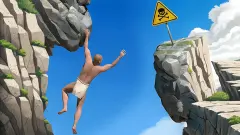
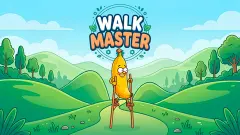
Bodies that will not cooperate. In Climb Up! you move a climber's two arms with two on-screen sticks and nothing else, from one bush or branch to the next. In about ten minutes we got one body length up the first rock. Walk Master: Stilt Walker asks you to walk a banana on two stilts: hold to lift one, release to put it down, then the other. A quick click does nothing at all, which is the first lesson.
How to choose
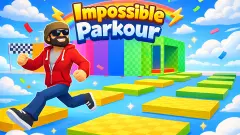
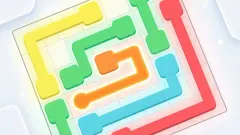
If you get angry quickly, start with something that helps you along, like the SHOW TRAPS button in Sketchy Levels, or with a puzzle that has no clock, like Hard Puzzle: Color Lines. If you like short attempts, pick the one-button games: each try lasts seconds. If you want a long challenge for an afternoon, the climbing and parkour games are the slow kind of hard.
A word for parents
Hard does not mean violent. Most of these games are about falling, not fighting, and losing costs nothing but a restart. They are a good way to practise patience: the progress is small, and you can see it.