
How this list is put together
Three kinds of fear, from unsettling to gory
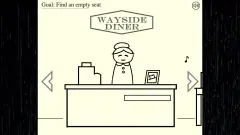
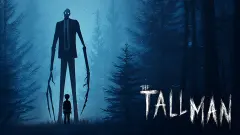
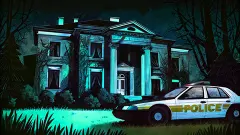
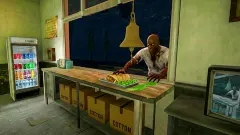
Unsettling. The fear comes from what you are not shown. Diner in the Storm is the clearest example we have played: stick figures, a roadside diner, a storm that is clearly more than weather, and a creature that is described far more than seen. It has a couple of sudden moments, implied deaths and one character struggling with drugs, so it is not for young children; most of the fear arrives through the radio, the television and what other people tell you.
Sudden scares. The jump scare — silence, then a noise and a face — became the signature of a whole wave of horror games after a 2014 hit in which you spend the night watching security cameras. It is the kind younger players most often find too much, because you cannot prepare for it.
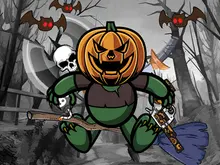
Blood. This is the kind the tags handle worst: only a handful of our horror games is tagged for blood, which tells you little either way. Pumpkin Monster, a Halloween clicker, is at the cartoon end, and its blood-drop button in the corner turns the splatter off.
Why bother sorting? Researchers at Aarhus University's Recreational Fear Lab wired up visitors to a haunted house and found that enjoyment rises with fear only up to a point, then drops. There is a just-right dose. PEGI draws the same line on its labels: mildly frightening scenes get a 7, stronger horror a 12 or 16.
Horror puzzle games, escapes and chases
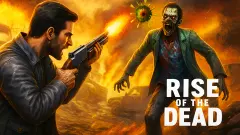
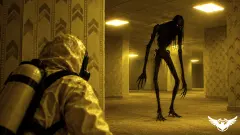
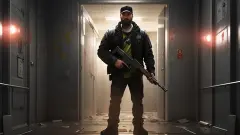
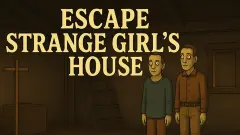
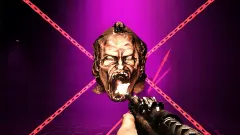
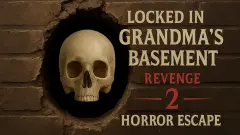
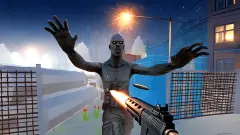
About a third of the horror games here are puzzles in a dark costume: matching, mahjong and bubble games dressed for Halloween. Roughly three in ten are escapes, where you get out of a room or a house, often while something looks for you — our escape games page separates the puzzle rooms from the running ones. Another three in ten are first-person shooters in hospitals, labs and asylums, the heirs of Capcom's Sweet Home (1989) and of Resident Evil (1996), the game that gave survival horror its name: little ammunition, a lot of dark.
If you want monsters with the fear taken out, our monster games page filters out everything tagged horror, scary or blood. For something seasonal there are Halloween games, though that page filters nothing out, so the same care applies.
The heaviest shelf we host
Horror is supposed to be the cheap genre — a dark corridor costs nothing to build. What gets published today is the opposite: this is the heaviest shelf we host, and some of these games run far heavier than the rest. Across every horror game we host, none was built before 2023, and six in ten are Unity builds, against fewer than four in ten across the catalogue.
So check the size before you start one on a school laptop. Diner in the Storm is the counter-example at about 7 MB, far lighter than the typical game here, because a stick figure and a well-written radio broadcast cost almost nothing. If the dead appeal more than the dark, the zombie games page sorts those by what they ask of you, and for a younger player the family selection is the better starting point.